
Turning Timber into Usable Firewood
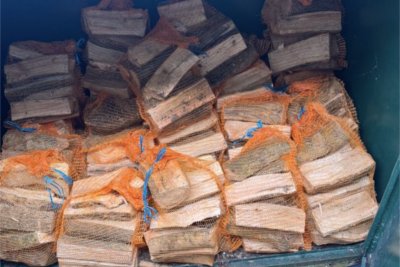
Whether logs are sourced from woodland management, tree surgery, or storm-felled timber, splitting them correctly ensures they are practical to handle and suitable for heating.
Why Logs Need to Be Split
When a tree is felled, the timber is often cut into rounds or sections. These pieces are typically too large to dry properly or fit into domestic wood-burning stoves and fireplaces. Splitting the logs serves several important purposes:
- Improves drying time – Split logs expose more surface area, allowing moisture to escape and helping the wood season faster.
- Creates manageable pieces – Smaller logs are easier to transport, stack, and use in stoves or fireplaces.
- Improves burning efficiency – Well-split and seasoned firewood burns hotter and produces less smoke.
- Reduces the risk of pests and decay – Properly prepared logs dry more evenly and are less likely to harbour insects or rot.
For these reasons, splitting timber is a key part of producing high-quality firewood.

Methods of Log Splitting
Logs can be split in several ways depending on the size of the timber and the volume being processed.
Manual Splitting
Traditional log splitting is done using tools such as axes or splitting mauls. This method works well for smaller quantities of wood and can be very effective on straight-grained timber. However, it requires physical effort and can be time-consuming when dealing with large volumes.
Mechanical Log Splitters
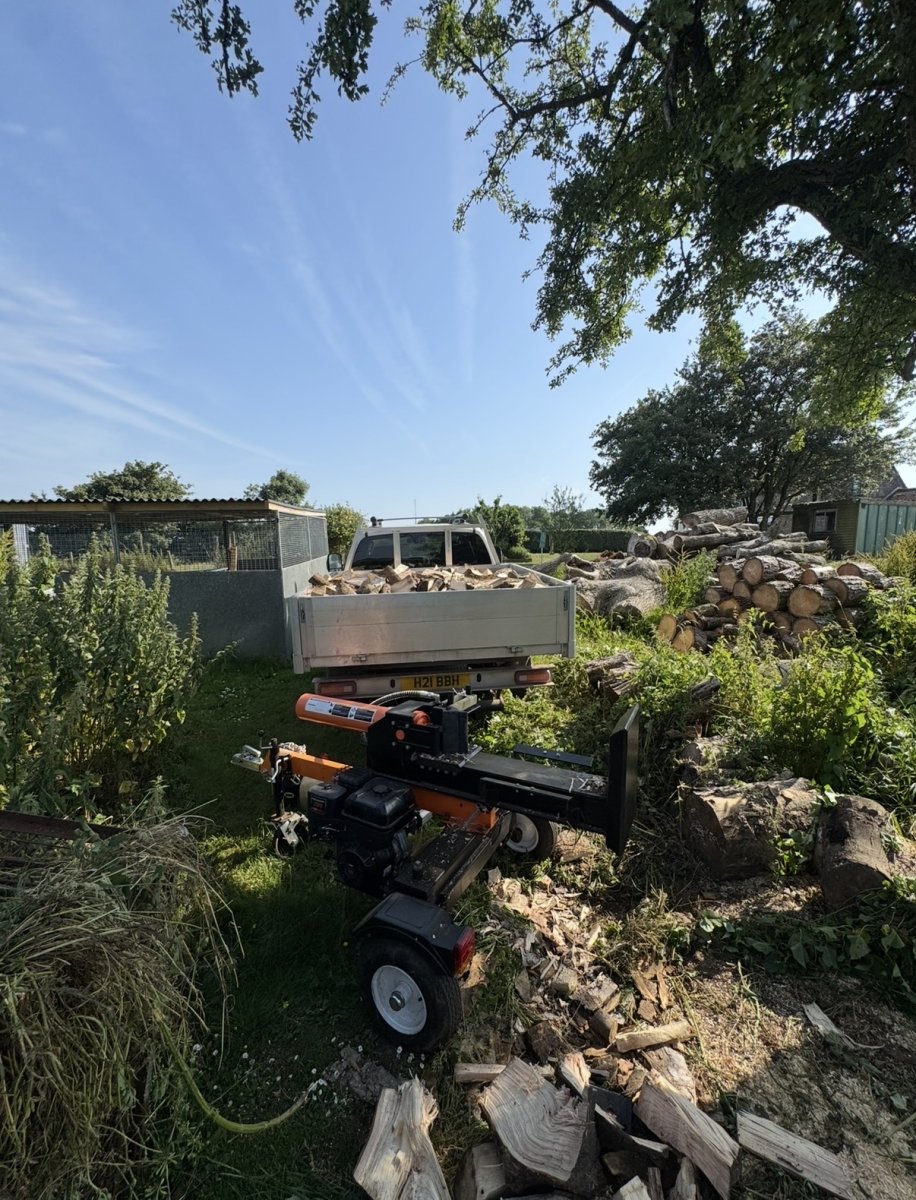
For larger quantities of timber, mechanical log splitters provide a faster and more efficient solution. These machines use hydraulic pressure to split logs with consistent force, allowing even tough or knotted wood to be processed safely and efficiently. Mechanical splitters are commonly used in professional forestry and firewood production.
The Importance of Seasoning Firewood
After logs are split, they should be seasoned before being burned. Freshly cut timber can contain significant moisture, which reduces burning efficiency and increases smoke and creosote buildup in chimneys.
Seasoning involves stacking split logs in a dry, well-ventilated area for several months — often between 6 and 24 months depending on the type of wood. Properly seasoned firewood burns more efficiently, produces more heat, and is better for both stoves and the environment.
Sustainable Use of Woodland Resources
Log splitting also plays a role in sustainable woodland management. Timber that results from tree maintenance, thinning, or storm damage can be converted into firewood rather than wasted. This supports responsible land stewardship and ensures that woodland resources are used effectively.
By turning otherwise unused timber into a valuable fuel source, log splitting helps support a more sustainable approach to forestry and rural land management.
Conclusion
Log splitting is a simple but essential process that transforms raw timber into practical, efficient firewood. Whether done by hand or with mechanical equipment, splitting logs improves drying, makes timber easier to handle, and ensures wood burns cleanly and effectively.
When combined with proper seasoning and responsible woodland management, log splitting helps make the most of natural resources while supporting sustainable heating and land care.